By Paul Batchelor · 1 February 2026
How to Choose the Right Event Production Company in the UK

Selecting the right event production company UK can be the difference between a flawless event and a technical disaster. Whether you're planning a corporate conference, music festival, or theatre production, your choice of production partner will directly impact your event's success, guest experience, and ultimately, your reputation.
With hundreds of event production agencies operating across the UK, how do you identify the professionals from the pretenders? This comprehensive guide walks you through everything you need to consider when choosing your production partner, ensuring you make an informed decision that delivers exceptional results.
Understanding What You Need from an Event Production Company
Before you start researching suppliers, clarify exactly what services you require. Event production companies offer varying levels of support, from basic equipment hire to full-service production management.
Define Your Event Scope
Consider these fundamental questions:
Event Type and Scale: Are you organizing an intimate corporate seminar for 50 people or a multi-day music festival for thousands? Different events demand different expertise. Concert event management companies specialize in live music technical requirements, while corporate event production specialists understand presentation systems and professional conferencing needs.
Technical Requirements: Do you need just sound reinforcement, or comprehensive production including lighting design, LED video walls, staging, and power generation? Make a detailed list of your technical needs before approaching suppliers.
Venue Considerations: Is your event indoors or outdoors? Does the venue have existing infrastructure or will everything need to be brought in? Understanding your venue's capabilities helps production companies provide accurate quotes during technical planning and identify potential challenges.
Budget Parameters: Establish a realistic budget range. Quality production requires investment, but knowing your financial boundaries helps suppliers recommend appropriate solutions rather than proposing equipment beyond your means.
Service Level Expectations
Determine what level of support you need:
- Equipment hire only: You manage setup and operation
- Dry hire with delivery: Equipment delivered but you provide crew
- Operated hire: Equipment plus professional crew to run it
- Full production management: End-to-end service including design, planning, crew, and operation
At Stageworks Lighting and Sound, we typically recommend operated hire or full production services to ensure optimal results and reduce client stress.
Essential Criteria for Selecting an Event Production Company UK
1. Relevant Experience and Track Record
Experience matters enormously in event production. Look for companies with proven success in events similar to yours.
Portfolio Review: Examine their previous work. Have they delivered events of comparable size and complexity? Festival event management companies should demonstrate experience with outdoor multi-stage productions, crowd management, and weather contingencies. Concert production services providers should showcase technical riders they've accommodated and artist testimonials.
For corporate events, seek a corporate event production specialist who understands business environments, brand representation, and professional presentation standards. Their portfolio should include corporate conferences, product launches, AGMs, or trade shows.
Client References: Don't just look at case studies on their website. Request contact details for recent clients and actually speak with them. Ask about reliability, problem-solving abilities, communication quality, and whether they'd hire the company again.
Industry Reputation: Research their standing within the industry. Are they members of professional associations? Do they have recognitions or awards? What do online reviews say about their service?
2. Equipment Quality and Inventory
The quality and modernity of equipment directly affects your event's technical success.
Inventory Assessment: Visit their warehouse if possible or request detailed equipment specifications. Are they using industry-standard brands or budget alternatives? Modern, well-maintained equipment is less likely to fail during your event. Browse our own equipment hire inventory for an example of what to expect.
For sound system hire, check whether they stock professional-grade PA systems, digital mixing consoles, and wireless microphone systems with proper frequency management. For lighting, ensure they have LED technology, intelligent moving lights, and modern control systems.
Equipment Maintenance: Ask about their maintenance schedules and testing protocols. Professional companies service equipment regularly, keep maintenance logs, and test all systems before deployment. This attention to detail prevents mid-event failures.
Backup Systems: Inquire whether backup equipment is standard or costs extra. Top event management companies bring redundant systems to critical events—backup microphones, spare cables, alternative power sources—ensuring problems can be resolved instantly.
Technology Currency: Event technology evolves rapidly. Companies investing in current equipment demonstrate commitment to quality service. Outdated systems may lack features, compatibility, or reliability that modern equipment provides.
3. Crew Qualifications and Professionalism
Equipment is only as good as the people operating it. Assess the expertise and professionalism of the crew who'll be running your event.
Technical Qualifications: Are crew members formally trained? Do sound engineers understand acoustics and audio processing? Can lighting designers create atmospheres that enhance your event's objectives? Technical competence separates adequate service from exceptional production.
Safety Certifications: This is non-negotiable. All crew should hold relevant certifications:
- Fire Marshal training for events using pyrotechnics or managing crowds
- First Aid certification to respond to medical emergencies
- Working at height qualifications for rigging and truss work
- Electrical safety certifications for power distribution
At Stageworks, every crew member is Fire Marshal trained, First Aid certified, and DBS checked, ensuring complete safety and professionalism.
Experience Level: Inquire about crew experience. Have they worked similar events? Do they understand the specific challenges your event type presents? Experienced crew anticipate problems and solve them proactively.
Communication Skills: Technical crew must communicate effectively with your team, performers, and venue staff. Poor communication causes confusion, delays, and errors. During initial consultations, assess how clearly the company explains technical concepts and whether they listen to your requirements.
Professional Appearance: Crew should present professionally, wearing company uniforms or appropriate attire. They represent your event, and their appearance contributes to overall professionalism.
4. Comprehensive Insurance and Safety Compliance
Event production involves significant liability risks. Ensure your chosen company carries appropriate coverage and follows safety regulations.
Public Liability Insurance: Verify they hold substantial public liability insurance (minimum £5-10 million coverage). Request copies of current certificates and confirm coverage extends to the specific services you're hiring.
Equipment Insurance: Ensure their equipment is insured. If something fails or gets damaged, insurance prevents disputes about liability and replacement costs.
Employer's Liability: This protects crew members working at your event and demonstrates the company operates legitimately.
Health and Safety Compliance: Ask about their health and safety policies. Do they conduct risk assessments? Provide method statements? Follow HSE guidelines? Professional companies document safety procedures and can provide evidence of compliance.
PAT Testing: All electrical equipment should undergo regular Portable Appliance Testing with current certification. This isn't optional—it's a legal requirement and essential for safety.
Structural Certification: For staging hire, verify that structures meet safety standards and load-bearing specifications. Stages must support equipment, performers, and crew without risk of collapse.
5. Clear Communication and Customer Service
Your relationship with your production company extends from first contact through post-event follow-up. Communication quality predicts how smoothly this partnership will function.
Responsiveness: How quickly do they respond to inquiries? Companies that take days to answer initial questions will likely be slow to address urgent issues during event planning.
Clarity: Do they explain technical details in understandable language or hide behind jargon? Great production companies educate clients, ensuring you understand what you're getting and why you need it.
Consultation Quality: During initial discussions, do they ask probing questions about your event objectives, audience, and vision? Or do they immediately push standard packages without understanding your unique needs?
Problem-Solving Approach: Present a hypothetical challenge and observe their response. Do they think creatively? Offer multiple solutions? Or dismiss difficulties as insurmountable?
Documentation: Professional companies provide detailed quotations, contracts, and technical specifications. Documentation should clearly outline what's included, excluded, timing, costs, and terms. Vague quotes signal unprofessional operations.
6. Transparent Pricing and Value
Price shouldn't be your only consideration, but it matters. Understanding what you're paying for and ensuring fair value is essential.
Detailed Quotations: Itemized quotes showing equipment, crew, transportation, setup time, and additional services help you understand exactly what you're purchasing. Beware of suspiciously cheap quotes—they often hide compromises in equipment quality, crew experience, or service levels.
Hidden Costs: Ask about potential additional charges: delivery fees, setup time overruns, fuel surcharges for generator hire, overtime rates. Transparent companies disclose all potential costs upfront.
Value Assessment: The cheapest quote rarely delivers the best value. Consider what you receive for your investment: equipment quality, crew expertise, backup systems, insurance coverage, and post-event support. Sometimes paying 15-20% more for superior service prevents disasters worth thousands in damages or reputation.
Payment Terms: Understand deposit requirements, payment schedules, and cancellation policies. Reasonable terms protect both parties and demonstrate professional business practices.
7. Specialist Expertise for Your Event Type
Different events demand different expertise. Ensure your chosen company specializes in your event category.
Concert and Festival Production Services
Concert event management companies need specific capabilities:
- Understanding technical riders from touring artists
- Managing multiple stages with sound bleed prevention
- Coordinating large crews across extended timeframes
- Handling outdoor challenges like weather, power infrastructure, and site logistics
- Working with licensing authorities and safety advisory groups
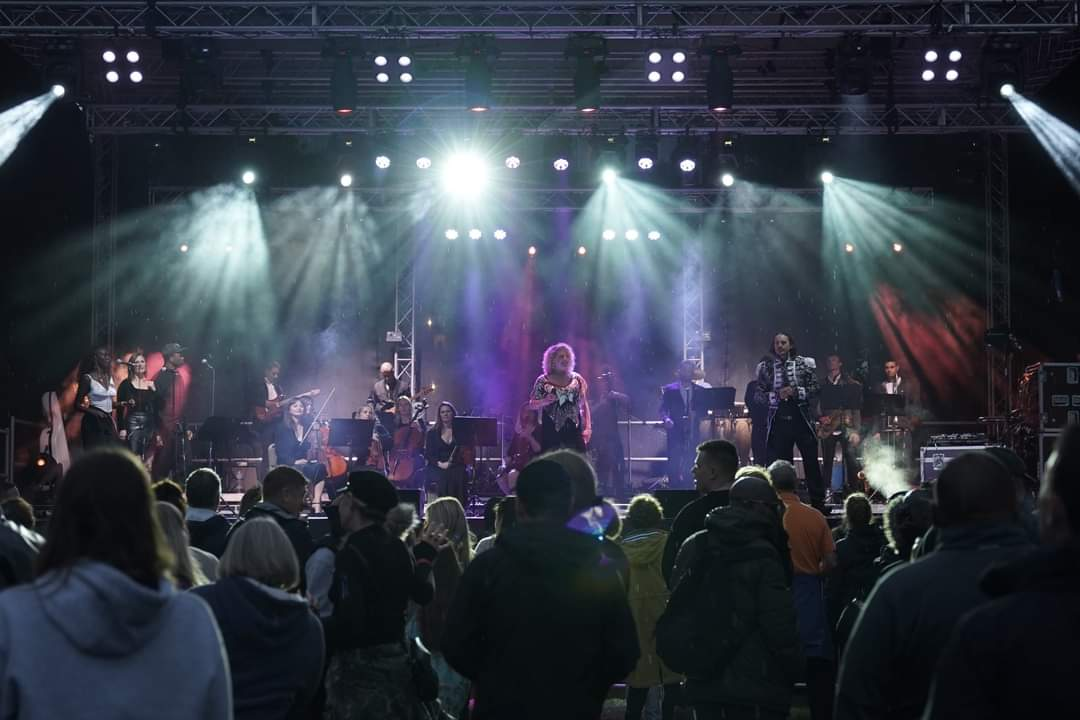
Our festival production services have supported events ranging from intimate tribute acts to multi-day outdoor festivals, giving us comprehensive understanding of live music technical demands.
Corporate event production requires different sensitivities:
- Professional presentation systems with confidence monitors and video playback
- Broadcast-quality corporate event videography for recording keynotes and presentations
- Discrete equipment placement that doesn't distract from branding
- Reliable wireless microphone systems for Q&A sessions and panel discussions
- Understanding of corporate professionalism and client confidentiality
When evaluating corporate event management companies, ask whether they've worked with businesses in your sector and can provide references from corporate clients.
Theatre Production
Theatre production services demand precision lighting control, programmed cues synchronized with performances, and understanding of theatrical technical requirements. Production companies serving theatre should demonstrate lighting design portfolios and experience working with directors and technical managers.
8. Geographic Coverage and Logistics
Consider where your event takes place and whether your chosen company can service that location effectively.
Service Area: Does the company regularly work in your event's region? Local companies understand regional venues, have established relationships with local authorities, and reduce transportation costs.
Venue Familiarity: Have they worked at your specific venue before? Venue familiarity means they already know loading access, power availability, rigging points, and acoustic characteristics—streamlining planning and reducing setup time.
Transportation Capabilities: Do they have appropriate vehicles for equipment transport? Can they accommodate delivery schedules that suit your venue's loading times?
Multi-Location Coverage: For events across multiple sites or touring productions, ensure the company has capacity and logistics expertise to service all locations consistently.
9. Technical Support and Contingency Planning
Professional production companies don't just deliver equipment—they provide ongoing support and prepare for potential problems.
On-Site Technical Support: Will qualified technicians be present throughout your event? Or do they leave after setup, abandoning you if problems arise? Operated hire should always include crew for the event's entire duration.
Emergency Response: Ask about their protocols for equipment failure. Do they carry spare equipment? Can they source replacements quickly? How do they handle power failures or weather emergencies?
Site Surveys: Do they conduct pre-event site visits? Professional companies conduct thorough technical planning and site surveys to identify challenges, confirm measurements, and plan equipment placement before event day.
Run Sheets and Planning Documents: Request examples of their planning documentation. Detailed schedules, technical specifications, and communication plans demonstrate thorough preparation.
10. Post-Event Service and Relationship Building
Your relationship with your production company shouldn't end when equipment gets packed away.
Debrief Opportunities: Do they offer post-event reviews to discuss what worked well and what could improve? This feedback loop helps optimize future events.
Equipment Collection: How professional is their pack-down? Do they leave venues clean and undamaged? Poor pack-down practices can damage venue relationships and incur unexpected costs.
Long-Term Partnerships: If you organize regular events, establishing ongoing relationships with reliable suppliers provides continuity, preferential pricing, and deeper understanding of your needs.
Making Your Final Decision
After researching suppliers, comparing quotes, and checking references, narrow options to your top 2-3 candidates. Then:
- Request Detailed Proposals: Ask each to provide comprehensive proposals addressing your specific requirements
- Conduct Final Interviews: Meet key contacts face-to-face or via video call to assess chemistry and communication
- Review Contracts Carefully: Have legal review if necessary, ensuring all terms, services, and liabilities are clearly defined
- Trust Your Instincts: If something feels wrong or a company seems unreliable, trust that feeling
Why Choose Stageworks Lighting and Sound
As an established event production company UK, we've built our reputation on reliability, professionalism, and exceptional technical service.
Our Credentials:
- Experienced production specialists with diverse event portfolios
- Modern, professionally maintained equipment inventory
- Fully qualified crew: Fire Marshal trained, First Aid certified, DBS checked
- Comprehensive insurance coverage
- Transparent pricing with detailed quotations
- Clear communication from initial consultation through post-event debrief
Our Services:
- Professional sound systems and audio equipment hire
- Concert lighting and LED video wall installation
- Outdoor and festival stage hire with generator rental
- Concert, festival, and theatre production services
- Corporate event production and equipment hire
We provide free consultations and no-obligation quotes, helping you understand exactly what your event requires and how we'll deliver it.
Frequently Asked Questions (FAQs)
How many event production companies should I get quotes from?
Request detailed quotes from 3-5 companies. This provides sufficient comparison without overwhelming you with options. Ensure all companies quote on identical requirements so you can make fair comparisons.
Should I choose the cheapest quote?
Not necessarily. The cheapest quote often reflects compromises in equipment quality, crew experience, or service levels. Focus on value rather than price alone. Sometimes paying 10-20% more for superior service prevents problems that could cost thousands in damages or reputation.
What questions should I ask during initial consultations?
Essential questions include: What experience do you have with events like mine? What equipment brands do you use? Are crew included in the quote? What's your contingency plan for equipment failure? Can you provide client references? What insurance coverage do you carry? What's included versus excluded in your quote?
How far in advance should I book an event production company?
For major events (festivals, large conferences, concerts), book 3-6 months ahead. This ensures equipment availability and allows proper planning time. Smaller events can often be accommodated with 4-8 weeks' notice, though earlier booking is always preferable.
What's the difference between dry hire and operated hire?
Dry hire means you rent equipment only—you're responsible for transportation, setup, operation, and breakdown. This requires technical expertise and carries more risk. Operated hire includes equipment plus professional crew who handle all technical aspects. For most clients, operated hire offers better value and peace of mind.
Do event production companies provide services UK-wide?
Coverage varies by company. Some operate regionally while others service the entire UK. Ask about their service area and whether they charge additional fees for travel outside their primary region. Local companies often provide better value for local events due to reduced transportation costs.
What certifications should event production crew hold?
Essential certifications include: Fire Marshal training, First Aid certification, working at height qualifications for rigging, electrical safety certifications, and IPAF (International Powered Access Federation) for operating aerial lifts. For events involving children or vulnerable adults, DBS (Disclosure and Barring Service) checks are essential.
Can I visit a company's warehouse before booking?
Reputable companies welcome warehouse visits. This allows you to inspect equipment condition, see inventory scale, and meet crew members. If a company refuses warehouse visits, question whether they actually own equipment or broker services.
What happens if equipment fails during my event?
Professional companies bring backup equipment and have protocols for rapid problem resolution. Ask about their contingency plans during initial consultations. At Stageworks, we carry spare systems and our on-site crew can diagnose and resolve most issues within minutes.
Should the same company provide sound, lighting, and staging?
Using one supplier for all technical elements offers advantages: single point of contact, coordinated planning, integrated systems, and often better pricing than hiring multiple specialists. However, ensure the company has genuine expertise across all required disciplines rather than just basic capabilities — explore our full range of services to see how a single partner can cover every element of your event.
Keep reading

18 March 2026
Why Professional Sound Systems Matter at Events

10 March 2026
Corporate Event Videography: Everything You Need to Know Before Your Next Big Event

4 February 2026
Event Production Company Overview: What Does a Professional Event Production Company Actually Do?
26 September 2025